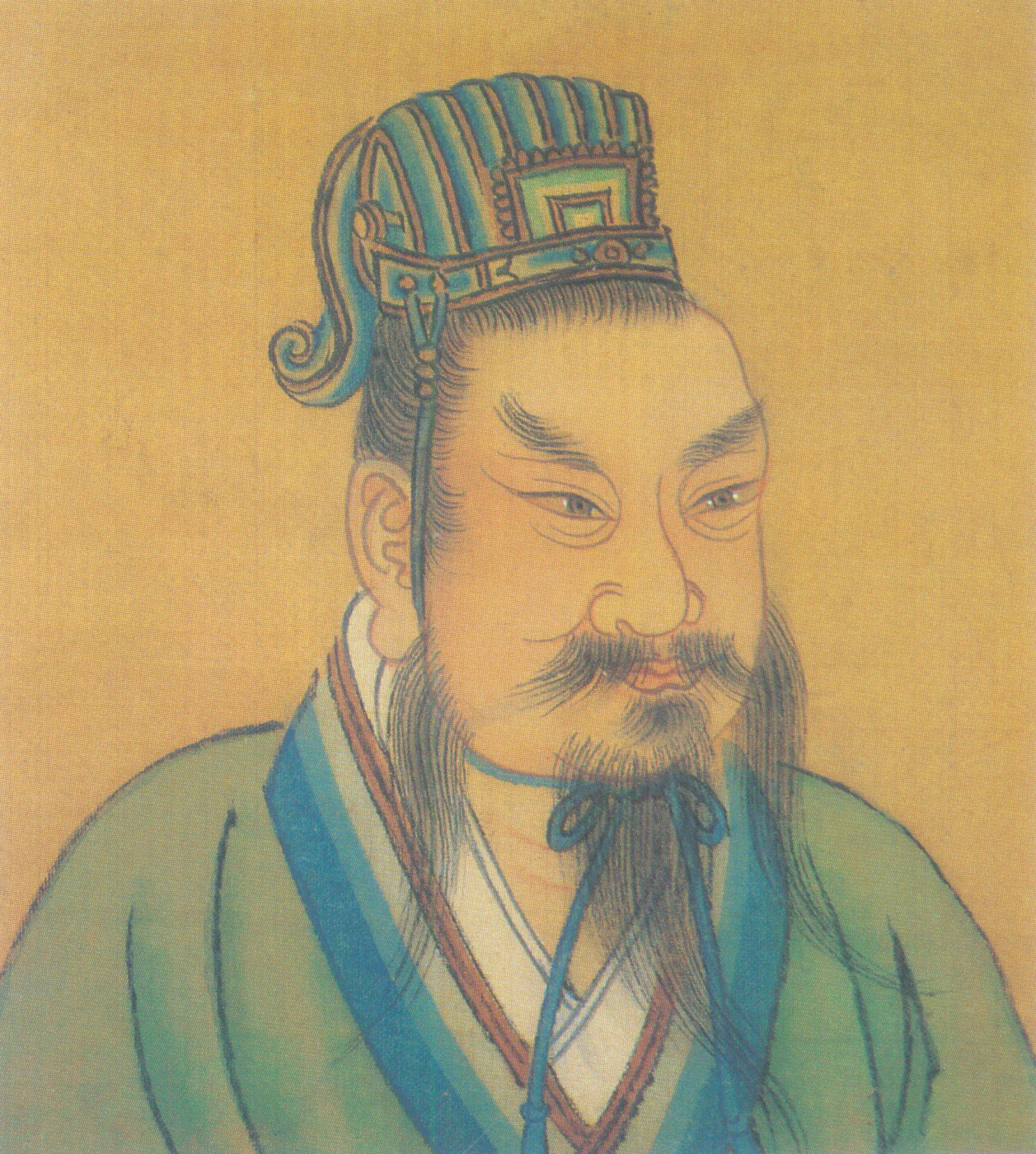
Southern Qi (479–502) was the Southern Dynasties regime that followed Liu Song and preceded Liang during the Northern and Southern Dynasties period. It was founded by Xiao Daocheng. Originally a Liu Song general, Xiao Daocheng gradually gained control of military power after suppressing political and military disturbances. In 479, he received the abdication of the throne and proclaimed himself emperor, taking Qi as the state name; the dynasty is known in historiography as Southern Qi or Xiao…
479 CE–502 CECapital · See entry
ERA OVERVIEW
Southern Qi (479–502) was the Southern Dynasties regime that followed Liu Song and preceded Liang during the Northern and Southern Dynasties period. It was founded by Xiao Daocheng. Originally a Liu Song general, Xiao Daocheng gradually gained control of military power after suppressing political and military disturbances. In 479, he received the abdication of the throne and proclaimed himself emperor, taking Qi as the state name; the dynasty is known in historiography as Southern Qi or Xiao Qi. The dynasty had seven emperors, including Emperor Gao and Emperor Wu, and lasted only a little more than twenty years, making it one of the shorter-lived Southern Dynasties. During its existence, it restored a degree of order after the internal conflicts among the Liu Song imperial princes and continued the north–south confrontation with Northern Wei. Under the last ruler, Emperor He, Xiao Yan rose in arms and seized power. In 502 he replaced Qi with Liang, bringing Southern Qi to an end. Although short-lived, Southern Qi linked Song and Liang and influenced the later development of Southern Dynasties political institutions and cultural life.
Time span479 CE–502 CE
CapitalSee entry
ERA TIMELINE
Xiao Daocheng forced Emperor Shun of LOpen
Xiao Daocheng forced Emperor Shun of Liu Song to abdicate, ascended the throne, established Qi, and made Jiankang the capital.
In the second year after taking the thOpen
In the second year after taking the throne, Emperor Gao of Qi established officials specifically responsible for reviewing household registers and aristocratic genealogies.
In 482 (Jianyuan 4), at the request ofOpen
In 482 (Jianyuan 4), at the request of Cui Zusi and Wang Qunzhi, an edict restored the Imperial Academy according to earlier precedent and enrolled 150 students, including 50 persons of rank willing to enter. Students were between fifteen and twenty years old, and enrollment was limited to descendants of officials of prefectural rank or above who lived within 2,000 *li* of the capital.
Winter of 485 (Yongming 3).Open
Winter of 485 (Yongming 3).
Wang Rong, in 487 (Yongming 5), was seOpen
Wang Rong, in 487 (Yongming 5), was selected for appointment by Xiao Ziliang, Prince of Jingling.
Emperor Wu died in the seventh month oOpen
Emperor Wu died in the seventh month of Yongming 11 (493), after which Southern Qi politics moved toward decline.
In the seventh month of 494 (LongchangOpen
In the seventh month of 494 (Longchang 1), at Xi...
Xiao Yan forced Emperor He of Qi to abOpen
Xiao Yan forced Emperor He of Qi to abdicate, established himself, and changed the state name to Liang; Southern Qi ended.
FULL ENTRY
Overview
Southern Qi (479–502) was the Southern Dynasties regime that followed Liu Song and preceded Liang during the Northern and Southern Dynasties period. It was founded by Xiao Daocheng. Originally a Liu Song general, Xiao Daocheng gradually gained control of military power after suppressing political and military disturbances. In 479, he received the abdication of the throne and proclaimed himself emperor, taking Qi as the state name; the dynasty is known in historiography as Southern Qi or Xiao Qi. The dynasty had seven emperors, including Emperor Gao and Emperor Wu, and lasted only a little more than twenty years, making it one of the shorter-lived Southern Dynasties. During its existence, it restored a degree of order after the internal conflicts among the Liu Song imperial princes and continued the north–south confrontation with Northern Wei. Under the last ruler, Emperor He, Xiao Yan rose in arms and seized power. In 502 he replaced Qi with Liang, bringing Southern Qi to an end. Although short-lived, Southern Qi linked Song and Liang and influenced the later development of Southern Dynasties political institutions and cultural life.
Historical Development
Establishment: Xiao Daocheng came from the Lanling Xiao clan and was an important political and military figure in the late Liu Song. Taking advantage of his role in suppressing internal conflict among the Liu Song imperial house, including rebellions and changes of ruler, he expanded his power and gradually took control of the court’s military and political authority. In 479, he ultimately forced Emperor Shun of Liu Song to abdicate, ascended the throne, established Qi, and made Jiankang the capital.
Height: Emperor Gao, Xiao Daocheng, ruled only briefly but paid attention to rectifying official administration and reducing taxes and labor obligations. Under his successor Emperor Wu, Xiao Ze, the political situation was relatively stable and society comparatively peaceful. This period is sometimes described as the “Reign of Yongming” and represented one of the better phases of Southern Qi political and economic development; one account holds that measures taken during the Yongming years were relatively effective.
Turning point: After Emperor Wu, subsequent rulers were generally weaker or controlled by powerful ministers, and succession to the throne became frequent and unstable. Emperor Ming, Xiao Luan, carried out successive depositions and enthronements before taking the throne himself. During this period, internal struggle and killings within the imperial clan severely exhausted the ruling group, and politics became increasingly unstable.
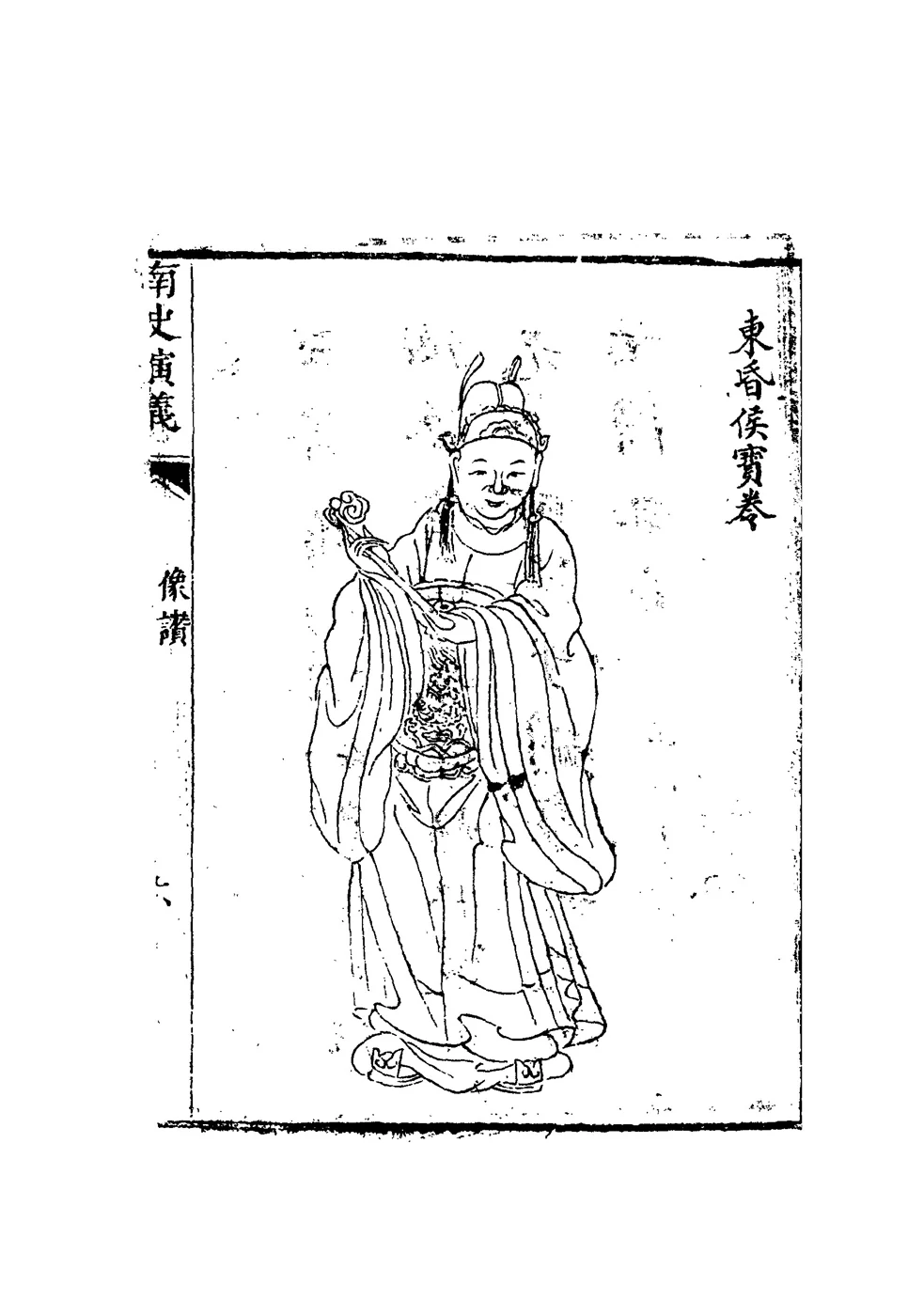
Decline: Under Xiao Baojuan, the Marquess of Donghun, the ruler neglected government, favored close attendants, and killed members of the imperial clan and ministers. Government deteriorated, and local military forces and regional commanders fought one another, severely weakening the foundations of rule. Xiao Yan took the opportunity to raise troops in the name of removing a bad ruler and gradually occupied the capital and extensive territories.
Fall: In 502, Xiao Yan forced Emperor He of Qi to abdicate and established himself as ruler under the state name Liang. Southern Qi came to an end after little more than twenty years. Emperor He was subsequently killed by Xiao Yan.
Politics and Institutions
Southern Qi’s central and local institutions broadly inherited those of Liu Song. Central organs centered on monarchical authority and palace administration continued the institutional pattern of the Qi–Liang transition. The dynasty maintained institutions such as the Department of State Affairs, Secretariat, and Chancellery and continued the commandery-and-county administrative hierarchy; details are described in the relevant entries. In official recruitment, the Nine-rank system and hereditary aristocratic families remained important, while men of lower social origins could also rise through military achievement or administrative service; one account holds that the Southern Dynasties trend of lower-status men handling confidential affairs became more pronounced. In law, Southern Qi generally continued earlier statutes and regulations with modifications, and institutions such as the Censorate handled supervision; details are described in the relevant entries. Because the dynasty was short-lived, most institutional arrangements continued earlier practices rather than introducing large-scale innovations.
Military and Diplomacy
Southern Qi’s principal military threat came from Northern Wei. The two sides maintained a north–south confrontation along the Huai River region and repeatedly fought over frontier areas. Southern Qi relied on the Yangtze as a major defensive barrier and on Jiankang’s strategic position, with naval forces and fortified points along the river forming important parts of defense. Domestically, the central guards and forces commanded by founding meritorious generals formed the core of the military; details are described in the relevant entries. Diplomatically, relations with Northern Wei largely continued the pattern inherited from Liu Song and Northern Wei: the two states alternated between conflict and exchanges of envoys, and diplomatic missions are recorded in historical sources.
Economy and Commerce
Southern Qi’s economy was primarily agricultural. The Jiangsu-Zhejiang and Jing-Xiang regions of the south continued to develop, and tax collection followed earlier Southern Dynasties practice. Jiankang and other cities had relatively active commerce, and north–south trade continued despite the effects of warfare. Rulers occasionally reduced or remitted taxes to ease burdens on the population; details are described in the relevant entries. Repeated warfare and internal conflict periodically strained state finances, and the basis for long-term economic stability was limited.
Culture and Society
The Southern Qi court and aristocracy valued literature and the arts. Literary activity flourished during the Yongming era, including the emergence of the “Yongming poetic style,” which emphasized tonal patterns and helped lay foundations for the later development of regulated verse. Xiao Yan, Shen Yue, and other scholars and political figures known for literature were active during this period. Buddhism continued to flourish in the Southern Dynasties, with many adherents across social strata and continuing development of temples and translation activity. Great aristocratic clans remained socially dominant. Although men of lower status could enter office, social distinctions between aristocrats and commoners remained pronounced.
> This section describes the rulers’ positions in the evolution of the polity; full individual biographies are carried by the corresponding person entities.
Historical Assessment and Legacy
Contemporary assessment: As one of the Southern Dynasties based south of the Yangtze, Southern Qi has often been understood by historians as a dynasty that linked Song and Liang. The relative stability and literary flourishing of the Yongming years were praised by contemporary literati, while the abuses of the Marquess of Donghun were viewed as signs of dynastic collapse, producing a clear contrast with the preceding period.
Later historical assessment: Later historians generally treat Southern Qi as one of the short-lived Southern Dynasties. They acknowledge its role in continuing earlier institutions and preserving the Southern Dynasties cultural tradition, while also emphasizing the destructive effects of internal imperial-clan conflict and frequent changes of ruler as aspects of Southern Dynasties political instability and the decline of aristocratic politics. Its contribution to Yongming literature and theories of prosody occupies an important place in the cultural history of Jiankang.