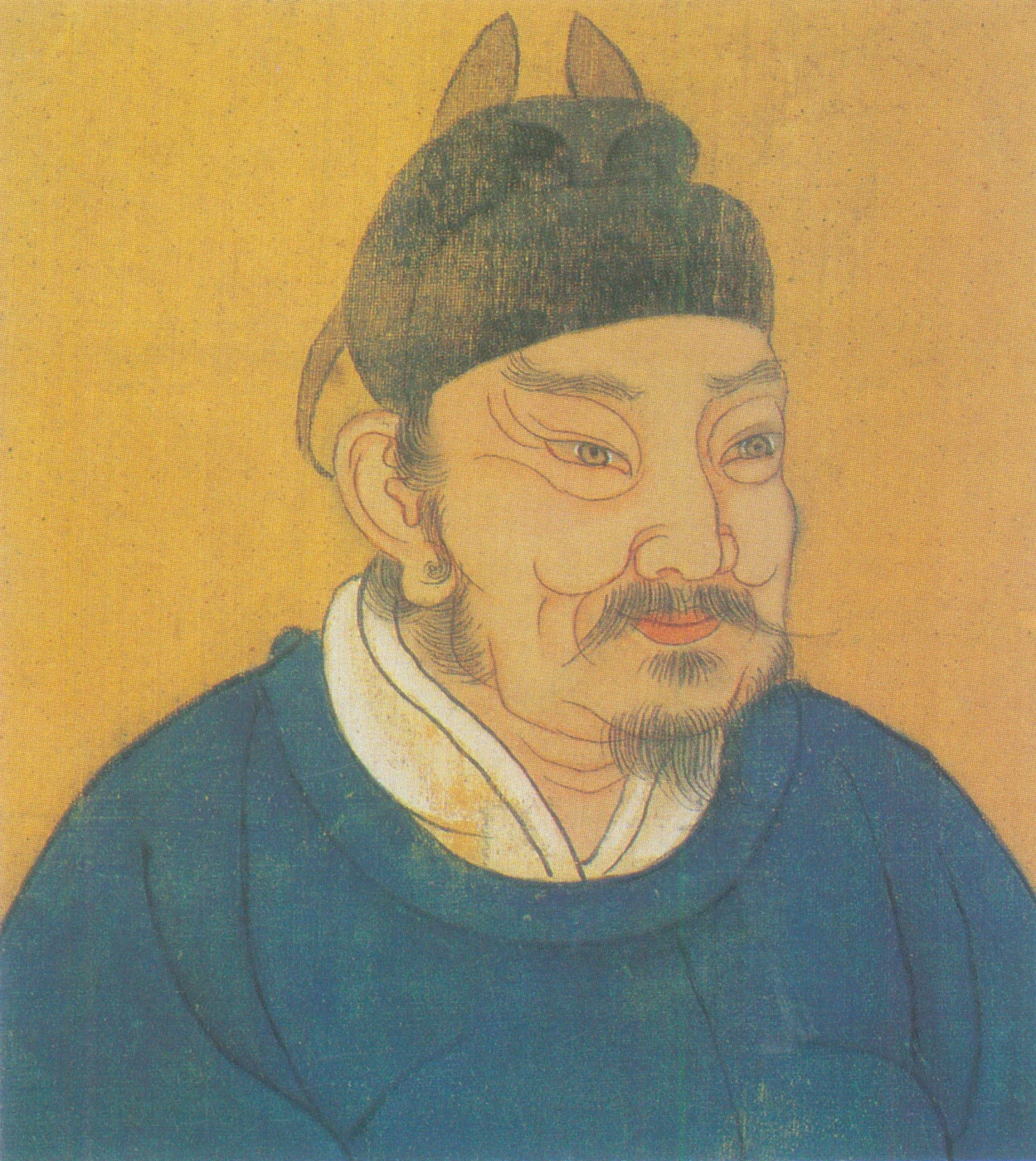
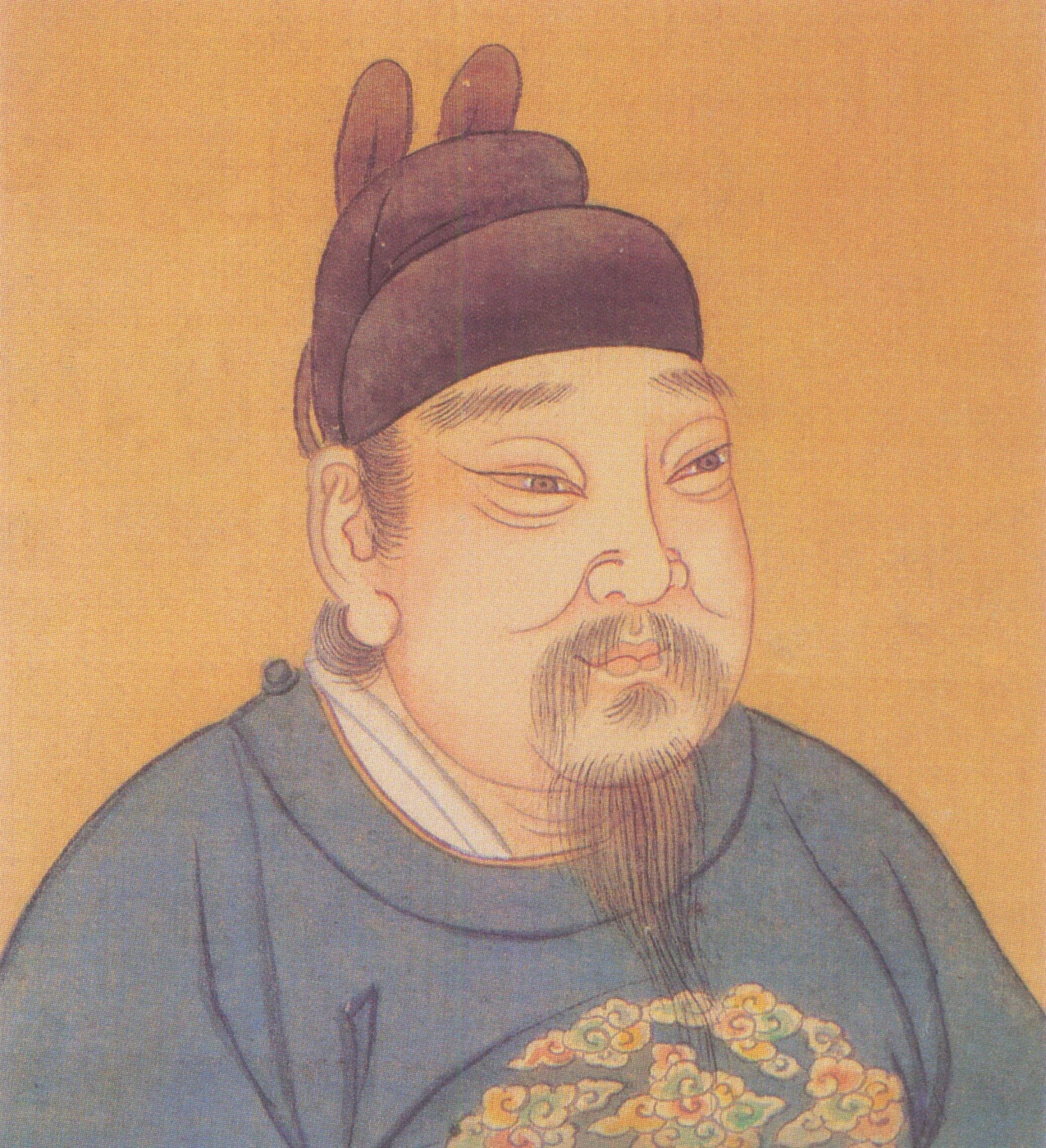
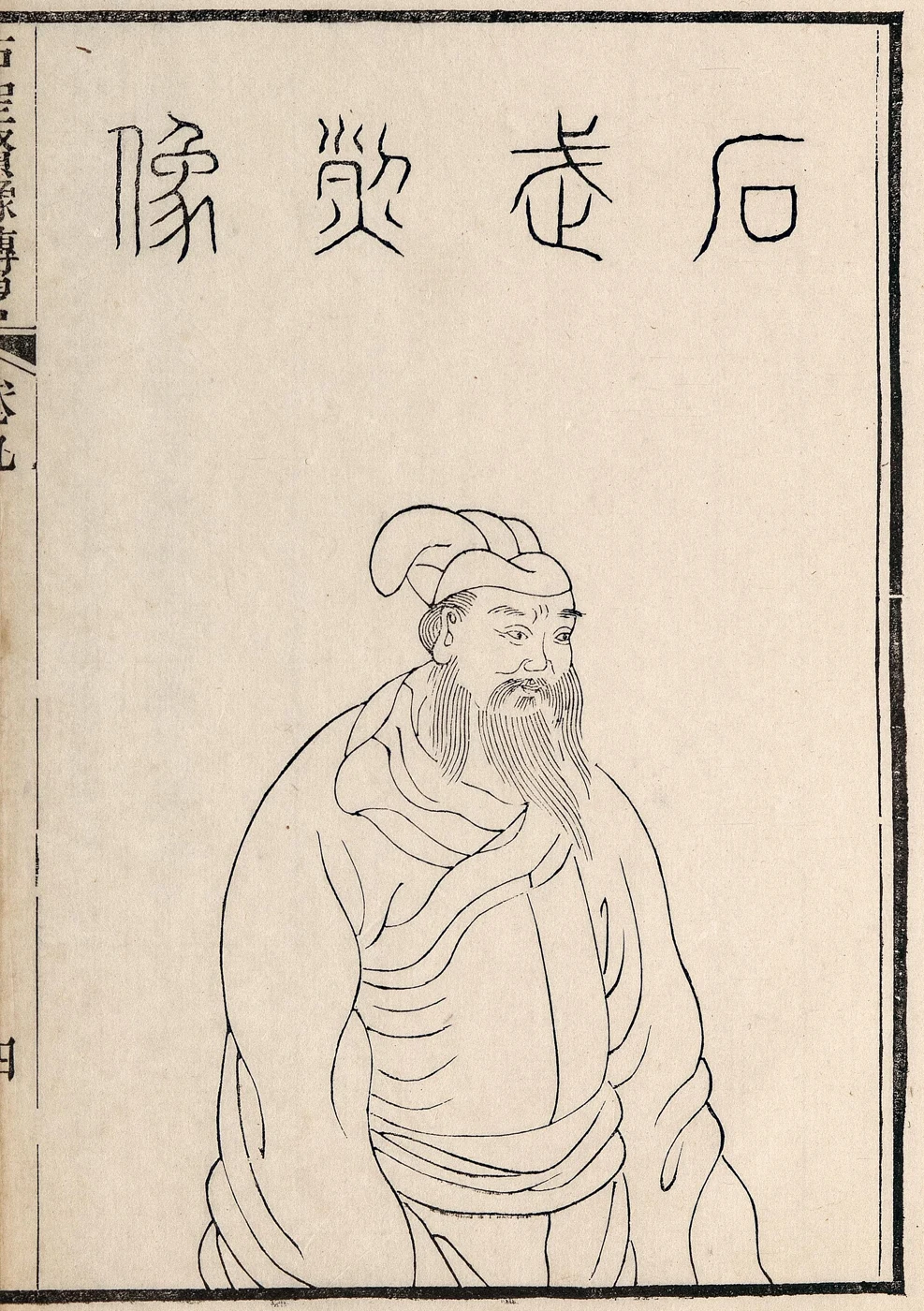
Later Zhou (951–960) was the last Central Plains polity of the Five Dynasties and Ten Kingdoms period. Its capital was Dongjing Kaifeng Prefecture (present-day Kaifeng, Henan). It had three emperors—founder Guo Wei, Emperor Shizong Chai Rong (born with the surname Chai), and Emperor Gong Chai Zongxun—and lasted about nine years. Guo Wei claimed descent from Guo Shu of the Zhou royal line and in 951 (first year of Guangshun) replaced Later Han and proclaimed himself emperor under the state name…
951 CE–960 CECapital · See entry
ERA OVERVIEW
Later Zhou (951–960) was the last Central Plains polity of the Five Dynasties and Ten Kingdoms period. Its capital was Dongjing Kaifeng Prefecture (present-day Kaifeng, Henan). It had three emperors—founder Guo Wei, Emperor Shizong Chai Rong (born with the surname Chai), and Emperor Gong Chai Zongxun—and lasted about nine years. Guo Wei claimed descent from Guo Shu of the Zhou royal line and in 951 (first year of Guangshun) replaced Later Han and proclaimed himself emperor under the state name Zhou, hence the later designation Later Zhou; it is also called Guo Zhou or Chai Zhou after the ruling family names. At its height the state controlled all of present-day Henan and Shandong, southern Shanxi, central and southern Hebei, central Shaanxi, eastern Gansu, northern Hubei, and parts of Jiangsu and Anhui north of the Yangzi. Guo Wei reduced labor burdens, reformed the military and administration, and punished corruption. After Chai Rong succeeded in 954 (first year of Xiande), he secured his rule at the Battle of Gaoping, reorganized the imperial army, regularized land taxation, reduced the number of Buddhist clergy, and between 955 and 958 campaigned south three times, forcing Southern Tang to cede territory north of the Yangzi. He also attacked the Khitan and recovered three prefectures and three passes. In 960 (seventh year of Xiande), Zhao Kuangyin, Inspector-General of the Palace Command, launched the Chenqiao Mutiny, forced the young emperor to abdicate, and founded the Northern Song. The reforms and unification campaigns of the Xiande period laid important foundations for the Northern Song conquest of the other states.
Time span951 CE–960 CE
CapitalSee entry
ERA TIMELINE
Guo Wei claimed descent from Guo Shu oOpen
Guo Wei claimed descent from Guo Shu of Zhou and replaced Later Han, establishing Later Zhou.
To reduce peasant burdens, Guo Wei graOpen
To reduce peasant burdens, Guo Wei granted military agricultural lands to tenant farmers in 952, with the stated aim of increasing tax receipts.
In the ninth month, Guo Wei sent GrandOpen
In the ninth month, Guo Wei sent Grand Master of Ceremonies Vice Director Wang Yan as acting Guard Minister and Lü Jiyun of the Right Guard Command as acting Director of Palace Construction to Goryeo to complete an investiture, in the third month of 953.
Guo Wei died, Emperor Shizong took theOpen
Guo Wei died, Emperor Shizong took the throne, and Later Zhou defeated Northern Han at the Battle of Gaoping.
In 955, Emperor Shizong sent the FengxOpen
In 955, Emperor Shizong sent the Fengxiang Military Commissioner.
Wang Pu, a principal adviser, became MOpen
Wang Pu, a principal adviser, became Military Affairs Commissioner in 956 and supervised expansion of Kaifeng, ritual and musical regulations, and institutional codification, laying groundwork later inherited by Northern Song.
The three campaigns against Southern TOpen
The three campaigns against Southern Tang were completed and Huainan was taken.
In the year after Emperor Shizong's acOpen
In the year after Emperor Shizong's accession, Northern Han allied with the Khitans and launched a large-scale southern invasion. Guo Rong personally led the campaign, went to the front at the Battle of Gaoping, reversed the crisis, and decisively defeated Northern Han. He then began a broader unification campaign: from the second through fifth years of Xiande (955–958), Later Zhou campaigned three times against Southern Tang, forcing it to abandon the imperial title and cede its Huainan territories north of the Yangzi.
The Chenqiao Mutiny occurred, Emperor Open
The Chenqiao Mutiny occurred, Emperor Gong abdicated, and the Northern Song was established.
FULL ENTRY
Overview
Later Zhou (951–960) was the last Central Plains polity of the Five Dynasties and Ten Kingdoms period. Its capital was Dongjing Kaifeng Prefecture (present-day Kaifeng, Henan). It had three emperors—founder Guo Wei, Emperor Shizong Chai Rong (born with the surname Chai), and Emperor Gong Chai Zongxun—and lasted about nine years. Guo Wei claimed descent from Guo Shu of the Zhou royal line and in 951 (first year of Guangshun) replaced Later Han and proclaimed himself emperor under the state name Zhou, hence the later designation Later Zhou; it is also called Guo Zhou or Chai Zhou after the ruling family names. At its height the state controlled all of present-day Henan and Shandong, southern Shanxi, central and southern Hebei, central Shaanxi, eastern Gansu, northern Hubei, and parts of Jiangsu and Anhui north of the Yangzi. Guo Wei reduced labor burdens, reformed the military and administration, and punished corruption. After Chai Rong succeeded in 954 (first year of Xiande), he secured his rule at the Battle of Gaoping, reorganized the imperial army, regularized land taxation, reduced the number of Buddhist clergy, and between 955 and 958 campaigned south three times, forcing Southern Tang to cede territory north of the Yangzi. He also attacked the Khitan and recovered three prefectures and three passes. In 960 (seventh year of Xiande), Zhao Kuangyin, Inspector-General of the Palace Command, launched the Chenqiao Mutiny, forced the young emperor to abdicate, and founded the Northern Song. The reforms and unification campaigns of the Xiande period laid important foundations for the Northern Song conquest of the other states.
Historical Development
Establishment (951): Guo Wei began as a soldier and later served Later Tang and Later Han. He won the trust of Liu Zhiyuan, Emperor Gaozu of Later Han, and rose to positions including Deputy Military Affairs Commissioner, Military Affairs Commissioner, and military governor of Yedu with authority over northern circuits. In 950 (third year of Qianyou), the Later Han Emperor Yin Liu Chengyou became suspicious of the senior regents. After killing Yang Bin, Shi Hongzhao, Wang Zhang, and others, he sent orders to Wei Prefecture to kill Guo Wei. Guo Wei rose in the name of clearing corrupt officials from the court and soon entered Kaifeng; after disorder in the capital, Emperor Yin died. Guo Wei initially proposed installing Liu Yun, son of Liu Chong, as emperor to placate Northern Han. After Liu Yun had been brought partway from Xu Prefecture, Guo Wei deposed him as Duke of Xiangyin. At Chanzhou, soldiers tore up a yellow banner and draped it over Guo Wei, acclaiming him as emperor. He then took the throne in 951 (first year of Guangshun), adopted Zhou as the state name, and established the regime known as Later Zhou. According to the Five Phases succession theory, Later Han was associated with water, while Later Zhou claimed wood as its succeeding phase.
Reform and stabilization (951–954): Guo Wei emphasized frugality. He prohibited tribute of luxury goods, destroyed gold and jade objects in the palace, reduced or remitted taxes and labor service, tightened military discipline and official conduct, encouraged agriculture, and recruited displaced people. The northern economy gradually recovered. Guo Wei died in 954 (first year of Xiande), and his adopted son and nephew Chai Rong succeeded him as Emperor Shizong; later accounts also call him Guo Rong.
Height of power (954–959): In the year after Emperor Shizong's accession, Northern Han allied with the Khitans and invaded southward. Chai Rong personally led the army and reversed the crisis at the Battle of Gaoping, decisively defeating Northern Han. He then pursued a broader unification strategy. Between the second and fifth years of Xiande (955–958), he campaigned three times against Southern Tang, forcing it to abandon the imperial title and cede its territories north of the Yangzi in Huainan. He also campaigned west against Later Shu and took Qin, Feng, Jie, and Cheng prefectures. In 959 (sixth year of Xiande), he attacked the Khitans and within two months recovered Ying, Mo, and Ning prefectures and three strategic passes, advancing toward Youzhou before illness forced him to withdraw. He died soon afterward.
Fall (960): After Emperor Shizong died, his seven-year-old son Chai Zongxun, Emperor Gong, took the throne. In the first month of 960 (seventh year of Xiande), Zhao Kuangyin, Inspector-General of the Palace Command, used reports that Khitan and Northern Han forces had invaded as grounds to lead troops east from the capital. At Chenqiao Post Station his soldiers acclaimed him and "draped him in the yellow robe." He returned to Kaifeng, compelled Emperor Gong to abdicate, and established the Northern Song, ending Later Zhou.
Politics and Institutions
Later Zhou inherited the late Tang and Five Dynasties political order, in which military governors were powerful and the Bureau of Military Affairs held great authority. Five Dynasties Military Affairs Commissioners were often military figures rather than purely civil officials; Guo Wei himself held this position before being sent to command the northern circuits. Later Zhou retained but reorganized these institutions, reduced the autonomy of regional military governors, and concentrated the imperial army at court. Guo Wei emphasized frugality, improved official administration, punished corruption, reduced taxes, and ordered local governments to recommend capable men. Emperor Shizong pursued broader reforms: he regularized land taxation through surveys of actual fields, reduced Buddhist institutions and clergy to recover land and households, reorganized the imperial army by selecting stronger troops, and worked on law and ritual. Wang Pu, his principal adviser and Military Affairs Commissioner from 956, directed expansion of Kaifeng and the codification of ritual and music. The source text presents Later Zhou's reforms as unusually deep and effective for the Five Dynasties period.
Military and Foreign Relations
Later Zhou relied on an elite imperial army. After the Battle of Gaoping, Emperor Shizong reorganized the force and retained stronger soldiers, improving discipline and combat effectiveness. External strategy operated on three fronts: defense and attack against the Khitans and Northern Han in the north, including Gaoping in 954 and the 959 northern expedition; a western campaign against Later Shu that captured four prefectures; and three southern campaigns against Southern Tang between 955 and 958, forcing it to cede Huainan territories and abandon its imperial title. In diplomacy, relations with the Liao/Khitan and Northern Han alternated between defense and war, while Later Zhou combined military pressure and political relations with Southern Tang, Later Shu, Wuyue, Jingnan, and other states. Chai Rong's 959 northern campaign recovered three prefectures and three passes at the approaches to the Yan-Yun region. Although it stopped short of Youzhou, the campaign weakened Khitan control and influenced later Northern Song strategy.
Economy and Commerce
Guo Wei reduced older burdens, restrained luxury, lowered taxes and labor obligations, and encouraged agriculture and the return of displaced people, allowing cultivated land in Hebei and Henan to recover. Emperor Shizong regularized land taxation, assessed land according to actual acreage, and sought to reduce arbitrary burdens while increasing state revenue. Reducing monasteries and returning temple land and population to the tax system also strengthened state finances. Kaifeng was expanded, its transport links improved, and it became a major commercial city connecting northern and southern markets. The *Old History of the Five Dynasties* records household registration figures for the Xiande period corresponding to a population of more than 12.7 million, presented here as evidence of postwar recovery. The economic and fiscal foundations used by the Northern Song are described as inheriting much from Later Zhou reforms.
Culture and Society
Although established by military men, Later Zhou promoted civil learning and Confucian culture. Guo Wei came from the army but valued learning and writing, reformed examination categories, and restored the civil service examinations. Emperor Shizong paid close attention to education, revived schools, and ordered editorial work on classical texts while Wang Pu regularized ritual and music. Socially, the Five Dynasties period had seen dominant soldiers and declining old aristocratic families. Later Zhou's military reform, taxation measures, and support for civil administration are presented as helping reduce military interference in politics. The commercial and urban structure of Kaifeng developed during Xiande construction and helped prepare the later prosperity of Northern Song Dongjing.
> This section describes the position of rulers in the development of the polity; complete biographies are carried by the corresponding person entities.
Historical Assessment and Legacy
Contemporary and later historians often praised Guo Wei for frugality, concern for the people, and stabilization of the new regime, and especially praised Emperor Shizong Chai Rong for energy, military skill, reform, and for laying foundations for the Northern Song. Later assessments also regret the short duration of the dynasty and the fact that its military and political program remained unfinished. Its taxation reforms, military reorganization, frontier campaigns, and expansion of Kaifeng were all inherited to varying degrees by the Northern Song and are treated as important foundations for later reunification and institutional development.